

Summary
Genetic mutations and cancer
Our bodies are made up of trillions of cells. Almost every cell has a nucleus (a sac in the middle of the cell) containing a complete set of genes. Genes are the chemical instructions that tell your body how to make all the different parts it needs to function.
Inside the nucleus are structures called chromosomes. Tightly packaged up inside chromosomes is our DNA. Genes are short sections of DNA. About two per cent of our DNA carries the instructions to make all the proteins our body needs to function. The remaining DNA works behind the scenes controlling how our genes work.
Our cells have a lifespan – they get old and die off. They replace themselves with new cells. To do this they make a copy of themselves and then divide into two. Each time a cell divides, it copies its chromosomes and DNA and sometimes, small copying mistakes can occur, called mutations or variants.
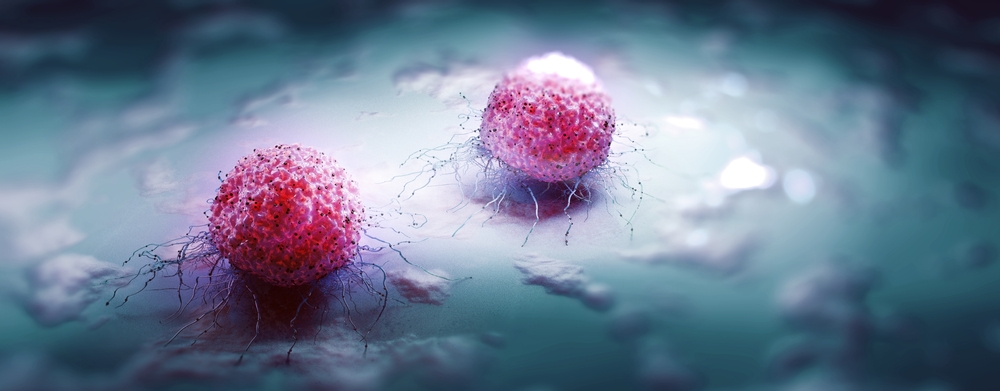
When DNA is damaged, it can change the instructions. Some mutations allow a cell to make too many copies of itself while others stop it from dying and yet others stop repairs from being made. When these happen, a cell can multiply out of control. Over time, the damaged cells build up, creating a cancer. Cancer cells grow because they ignore the normal controls that tell healthy cells when to divide, repair, or die.

Some cells (especially cancer-prone ones) have unstable chromosomes that can break and rejoin in the wrong way when the cell is copying itself.
Genes can also mutate because of environmental exposures like smoking and ultraviolet radiation. Chronic inflammation or repeated injury to tissue can increase the number of cell divisions, raising the odds of cancer occurring. This is why some virus or bacterial infections such as HPV (the virus that causes cervical cancer) and Helicobacter pylori (the bacteria that causes peptic ulcers and gastritis) can cause inflammation that eventually leads to cancer.
Most mutations are harmless, and some are repaired automatically by our cells. Normally, our immune system gets rid of these mutated or altered cells but as we age our DNA repair mechanisms weaken and our immune system becomes less good at this.
In most cases, we don’t know exactly why cancer develops in some people but not others.

Cancer which spreads - metastatic cancer
All cancers begin in a single organ or tissue but over time, cancer cells can break off and travel to other parts of the body. Many of these cancer cells will die, but some will settle in a new location and begin to form new cancers. When cancer spreads in this way, it is called metastasis. Cancer cells that travel do not change. For example, breast cancer cells that move to the liver remain breast cancer cells.
Doctors will treat metastatic cancer based on the type of cancer cells, not the location of the metastatic tumour. This helps doctors to know which cancer tumour occurred first (the primary tumour) and which cancer tumours occurred from the primary tumour metastasising (the secondary tumours).
Most cancer is caused by somatic mutations
Mutations that occur during the normal course of life are called acquired or somatic changes. They are not inherited - you were not born with them, and you cannot pass them on to your children.
Most genetic mutations that cause cancer are somatic. Only abnormal tumour cells carry the cancer-causing DNA mutations.
Why get tested?
Somatic genetic testing is used to identify which genetic mutations are present in the abnormal cells of your tumour. DNA is taken from the tumour cells and analysed. Some testing is targeted at a specific group of cancer-causing genes. This includes testing a panel or group of genes most relevant to your type of tumour.
The results of genetic testing allow your doctors to better understand your tumour type and characteristics. For some tumours this test is used to decide if you will benefit from a particular type of therapy. Repeat testing can be used to monitor how well treatment is working and potentially direct a change in ongoing therapy.
Having the test
Sample
A sample of your tumour obtained during a biopsy, fine needle aspirate, or following surgery is required for laboratory analysis. For some types of cancer, such as leukaemia (blood cancer) and lymphoma (cancer of the lymph system), a blood test may be used for this testing.
Any preparation?
None.
Your results
A positive test result means a genetic mutation has been identified in one or more of the genes tested. The mutations identified may be called pathogenic/likely pathogenic or disease-causing mutations. These mutations can be called variants. This means the variant found is known to cause or increase the risk of cancer occurring. The variants of strong or potential clinical significance are highlighted. These gene changes are ones where certain treatments are known to, or likely to work well. These results will help your doctors select the best treatment for the mutations identified.
A type of genetic mutation called a variant of uncertain significance (VUS) may also be identified. These are genetic mutations where it is not clear if they are likely to have caused the cancer or not – the laboratory cannot be confident if they are important changes or not. Sometimes further testing can be done to work out whether the mutation is disease-causing or not. If you have a VUS result, you will need to speak with your specialist about what this result means for you.
Somatic testing may not detect all possible mutations, and normal/negative results may not rule out all genetic abnormalities.
Genetic testing reports are highly complex. They typically present the most important and relevant information first followed by other information.
In general, your report will:
Germline mutations
Germline mutations are genetic changes that you are born with and can pass on to your children. This means the mutation will be found in every cell of your body. These are different from somatic mutations which are acquired during life and are only in some cells.
Some inherited mutations put you at greater risk of developing a specific type of tumour, for example, BRCA1 and BRCA2 are a risk for breast cancer.
Generally, if your specialist suspects a mutation is germline, you will need to have further testing to confirm this. Your doctor may refer you to a clinical genetics service which will provide counselling on what more testing will mean for you and your family.
These mutations may have been inherited by other family members and may have been passed on to children. If germline mutations are found in your test results, the information can be used to advise other family members to have tests to see if they are also at risk of having that specific type of cancer.
Incidental findings
Incidental findings in genetic test results means that unexpected genetic changes have been found that are not related to the reason the test was ordered.
Modern genetic tests look at hundreds of genes at once, so they may uncover many changes. Only some of these are reported. These are usually those that can cause conditions that are medically important and those where screening or treatment can help.
Incidental findings do not mean you have the disorder, but they may mean you are at higher risk of a disorder. Genetic counselling is often recommended to explain what it actually means for you.
Questions to ask your doctor
The choice of tests your doctor makes will be based on your medical history and symptoms. It is important that you tell them everything you think might help.
You play a central role in making sure your test results are accurate. Do everything you can to make sure the information you provide is correct and follow instructions closely.
Talk to your doctor about any medications you are taking. Find out if you need to fast or stop any particular foods or supplements. These may affect your results. Ask:
More information
Pathology and diagnostic imaging reports can be added to your My Health Record. You and your healthcare provider can now access your results whenever and wherever needed.
Get further trustworthy health information and advice from healthdirect.
What is Pathology Tests Explained?
Pathology Tests Explained (PTEx) is a not-for profit group managed by a consortium of Australasian medical and scientific organisations.
With up-to-date, evidence-based information about pathology tests it is a leading trusted source for consumers.
Information is prepared and reviewed by practising pathologists and scientists and is entirely free of any commercial influence.